Prefab homes have long promised efficiency and affordability—but Martha Stewart’s pre-fabricated home collection is helping them finally deliver on aspiration. With her signature blend of practicality, elegance, and attention to detail, Stewart is bringing mainstream credibility and design-forward thinking to a category that’s rapidly reshaping the housing market.
Here’s why her prefab collection matters—and what it signals for the future of housing.
Design-First, Not Cost-First
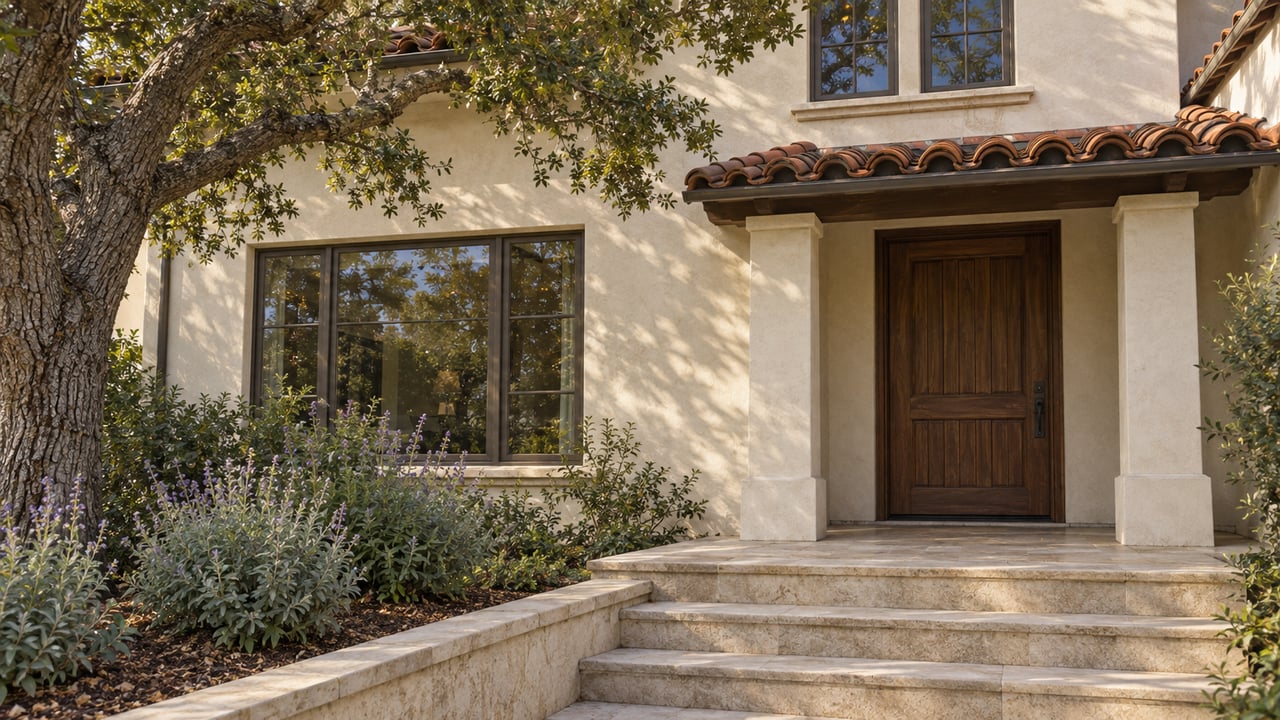
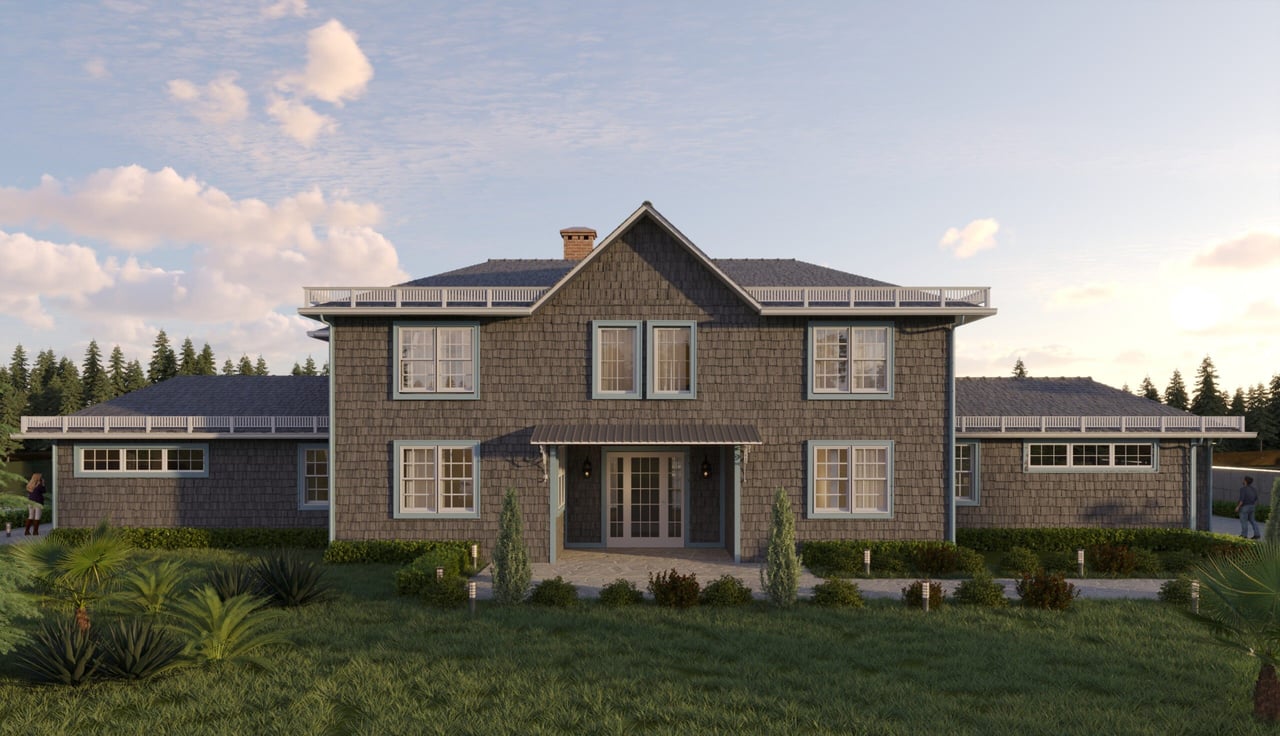
What immediately sets the Martha Stewart prefab homes apart is that they don’t look like prefab. These homes embrace classic American aesthetics—modern farmhouse, coastal, and timeless transitional styles—while integrating clean lines and contemporary layouts.
Natural light, thoughtful proportions, and warm, livable interiors are prioritized. This isn’t minimalism for minimalism’s sake; it’s comfort-driven design that feels intentional and human.
Built for How People Actually Live
Stewart’s brand has always been rooted in functionality, and the homes reflect that philosophy. Floor plans emphasize:
-
Open but well-zoned living spaces
-
Kitchens designed as true centers of the home
-
Ample storage (a rarity in many modern builds)
-
Flexible rooms that adapt to work-from-home life
Prefab efficiency meets lifestyle realism—an important shift in an era where homes must work harder than ever.
Sustainability Without the Lecture
Prefab construction already offers sustainability advantages: reduced material waste, controlled manufacturing environments, and faster build times. Stewart’s collection leans into these benefits quietly, without turning sustainability into a marketing gimmick.
The result? Homes that are more energy-efficient and resource-conscious, without sacrificing warmth or style—making sustainable living feel accessible rather than performative.
Speed, Predictability, and Trust
One of the biggest pain points in traditional homebuilding is uncertainty: delays, cost overruns, and inconsistent quality. Prefab construction solves many of these issues, and Martha Stewart’s name adds an additional layer of trust for buyers who may be new to the category.
This combination—predictable timelines + a legacy lifestyle brand—lowers the psychological barrier to adoption for a much wider audience.
Why This Matters for the Housing Industry
Martha Stewart entering the prefab space isn’t just a celebrity licensing move; it’s a signal. It suggests that:
-
Prefab housing is no longer niche
-
Design quality is becoming a baseline expectation
-
Lifestyle brands are shaping the future of residential construction
As affordability, labor shortages, and sustainability pressures intensify, prefab homes are moving from “alternative” to “inevitable.” Stewart’s collection helps normalize—and elevate—that transition.
The Bottom Line
Martha Stewart’s prefab home collection proves that efficiency and elegance don’t have to compete. By combining trusted design sensibility with modern construction methods, these homes offer a compelling vision of what smart living can look like in the next decade.
Prefab isn’t just faster or cheaper anymore. With the right design leadership, it’s better.
What do you think—will lifestyle brands play a bigger role in how we build homes in the future?