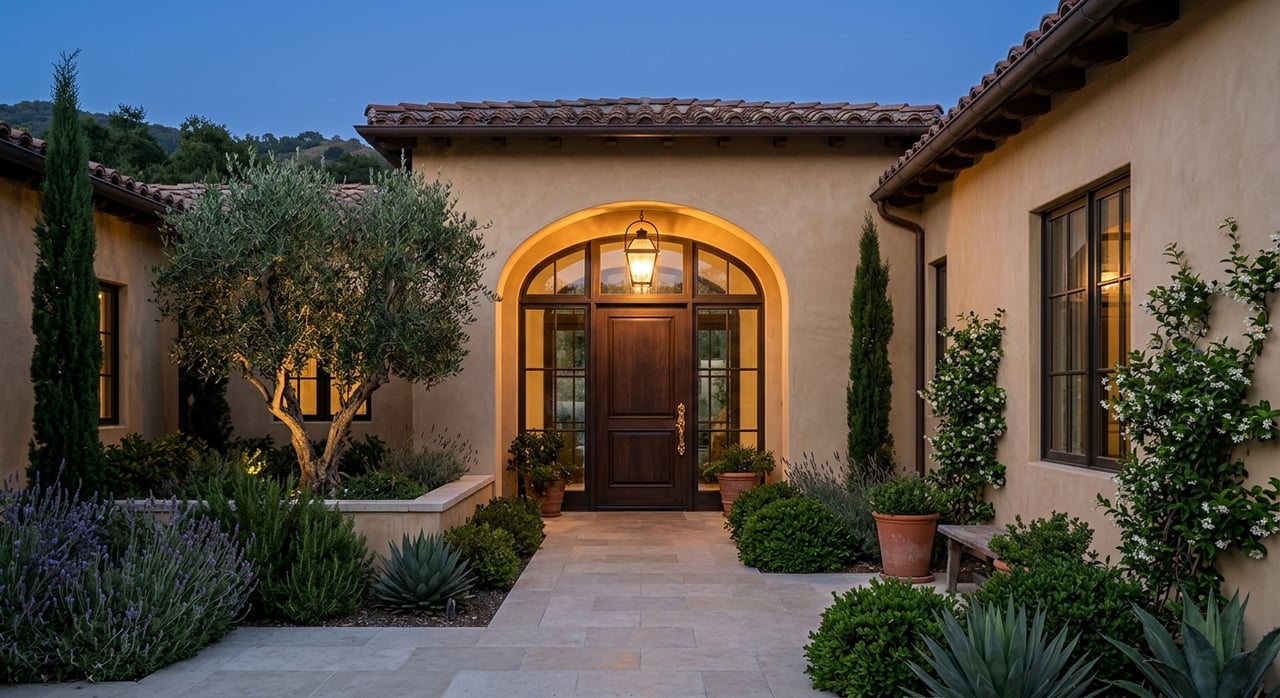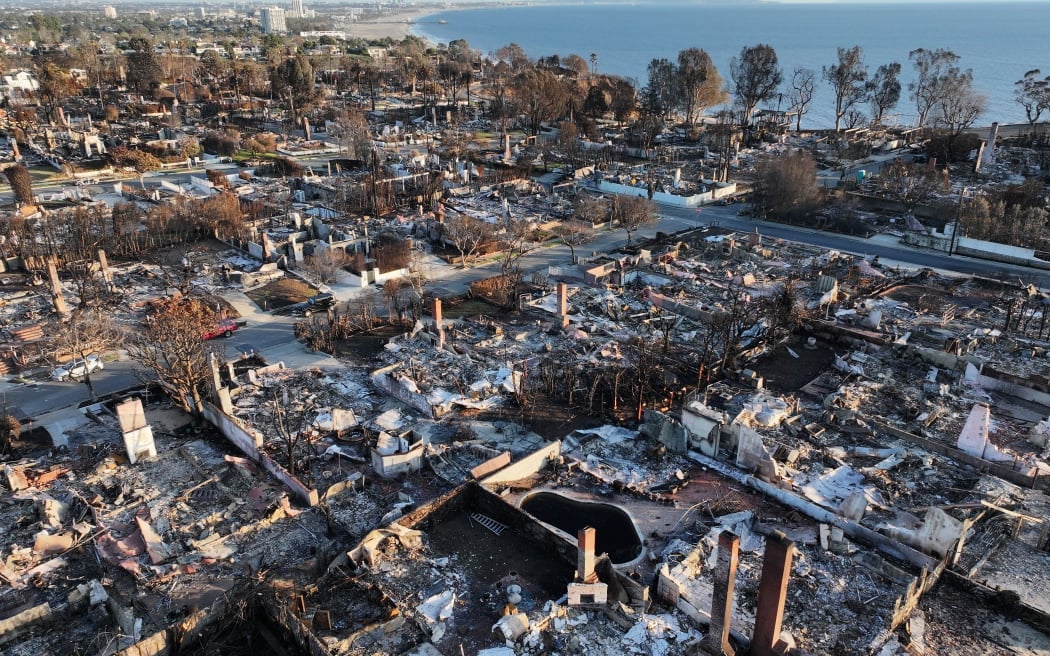
Pacific Palisades is a Santa Monica Mountains neighborhood on the Westside of Los Angeles, known for stunning ocean views, hillside homes, and upscale amenities. In January 2025, the Palisades Fire ravaged approximately 1,500 acres, destroyed 6,837 structures, and displaced tens of thousands. It was the most destructive wildfire in the city’s history.
Community Character and Pre‑Fire Affordability
Before the fire, Palisades held very little housing designated as affordable. Median household income in the area was around $325,000, and homes routinely sold for $3–3.5 million. Rent-controlled and middle‑income housing — such as the Pacific Palisades Bowl Mobile Estates mobile home community — was virtually the only low‑cost option.
Rebuilding Chaos & Regulatory Action
California lawmakers and Governor Gavin Newsom introduced Senate Bill 549, together with a $101 million funding allocation:
- On July 8, 2025, Governor Newsom announced an investment of $101 million to support low‑income housing development on properties destroyed by the fire in Palisades, Altadena, and Malibu. These funds are managed by the California Department of Housing and Community Development and intended to help displaced lower‑income residents, including renters, return home.
- SB 549, passed by the state Senate in mid‑July 2025, allows Los Angeles County to establish a “Resilient Rebuilding Authority” (via NIFTI‑2 infrastructure districts) that can use local tax revenues to acquire fire‑ravaged lots and finance multifamily housing developments. At least 40% of these public‑funded units must serve households earning under 60% of Area Median Income, while half of that 40% must be for households below 30% AMI or in permanent supportive housing.
Together, these measures open the door for multi‑unit, low‑income housing to go up on lots that previously held single‑family homes — a dramatic shift in a community formerly resistant to density.
Local Opposition & Legal Challenges
The Pacific Palisades Community Council (PPCC) has been vocally opposed to density‑increasing bills like SB 677 and SB 79, citing wildfire evacuation concerns and a desire to preserve community character. The council argues these bills lack unconditional exemptions for Very High Fire Hazard Severity Zones—with Palisades included.
City and property‑rights advocates also warn that requiring destroyed rent‑controlled units to be replaced with low‑income housing may constitute an “unconstitutional taking.” Critics cite Los Angeles ordinances that may force reconstructions of fire‑destroyed units into income‑restricted apartments—even where rebuilding prior market units was standard.
Community Responses: Divided & Fraught with Conflict
Reactions within the Palisades community are sharply divided:
- Some see new low‑income housing as essential for helping long‑displaced residents (often city workers or domestic service workers) afford to return.
- Others decry state intervention as a “land grab”, a forced imposition on a wealthy enclave with no mandate or community buy‑in—and some residents fear this change will permanently alter the neighborhood’s fabric.
- Proxy battles have emerged. Developer Steve Soboroff supported more housing and rejected anti‑affordability rhetoric as elitist, while Rick Caruso and some residents warned that imposing external agendas could slow recovery.
Conclusion: A Turning Point in Palisades Policy & Identity
Pacific Palisades was at one of its most vulnerable moments in history — and is now at a crossroads. SB 549 and Newsom’s funding have transformed discussions of recovery into debates about equity, land use, and local autonomy. Whether the Palisades rebuilds as a denser, more inclusive community—or preserves its pre‑fire exclusivity—will depend on how legal challenges, local opposition, and state‑level mandates intersect.
The fate of single‑family lots, once burned and now subject to potential rezoning, has come to represent broader tensions over disaster recovery, affordable housing, and property rights.
If you would like more information regarding this issue, feel free to inbox me.
Tina Lucarelli - Global Real Estate Advisor - DRE 01202354 - (310) 738-8089 - The ONE Luxury Properties, Inc.